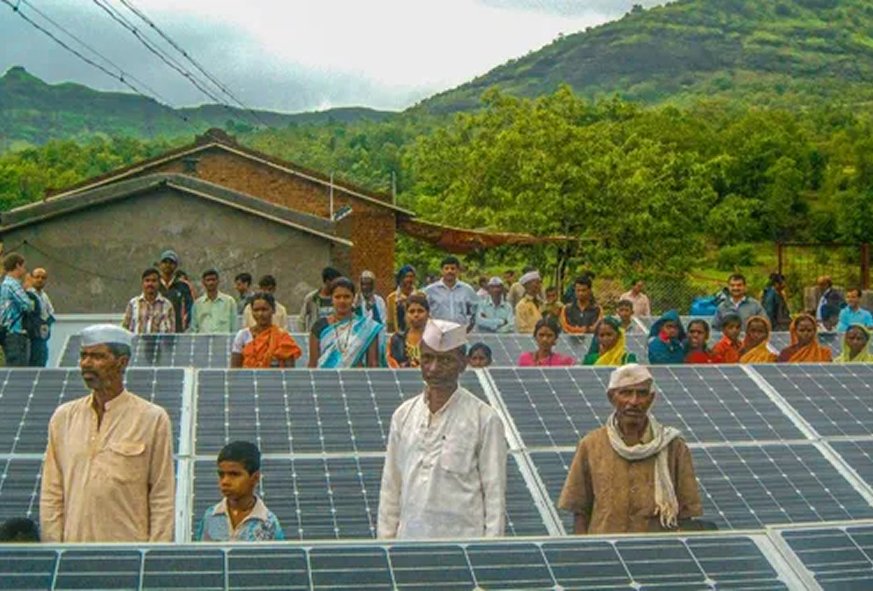
Solar energy is one of the most accessible and widely used forms of renewable energy. Solar panels capture sunlight and convert it into electricity that can power homes, schools, businesses, and public facilities.
One of the biggest advantages of solar energy is that sunlight is available almost everywhere. Even small solar systems can provide reliable electricity in areas where traditional power infrastructure is limited.
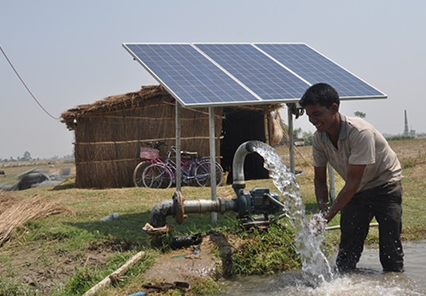
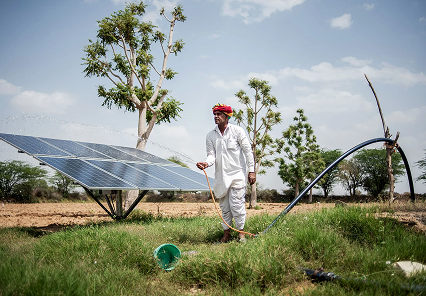
In many rural regions, solar power has helped improve access to electricity and reduce dependence on expensive diesel generators.
Solar energy offers several important advantages:
• Reduces electricity costs
• Produces clean and pollution-free energy
• Requires minimal maintenance
• Works well in rural and remote areas
• Supports energy independence
These benefits make solar energy an attractive solution for both urban and rural communities.
Solar Energy in Communities
In many villages and residential societies, discussions about renewable energy often focus on the potential of solar power. Community meetings and awareness sessions help people understand how solar systems work and how they can be used in homes, farms, and community buildings.
When communities learn about the long-term benefits of solar energy, they become more interested in adopting renewable solutions.