

Understanding Climate Challenges at the Local Level
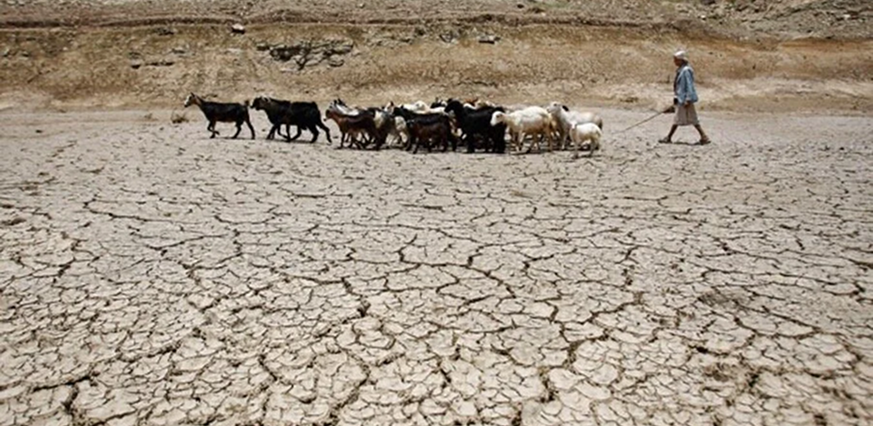
Climate change is often spoken about as a global issue, but its real impact is felt much closer to home—within our own communities. Over time, subtle yet significant changes in weather patterns have started to affect everyday life. Seasons are becoming less predictable, rainfall is no longer consistent, and these shifts are creating new challenges, especially for those who depend on nature for their livelihoods.
During our visits to villages and local communities, we spend time talking with residents to understand what they are experiencing. These conversations reveal how deeply climate change is connected to daily life. Farmers talk about how changing rainfall patterns are affecting their crops, while others share concerns about water availability and the overall health of their environment.
One of the key observations we make is that while people are experiencing these changes, many are not fully aware of the larger reasons behind them. Concepts like carbon emissions and their role in climate change often feel distant or complex. However, when these ideas are explained through real-life examples, the connection becomes clearer.
Through community discussions and awareness sessions, we try to bridge this gap. By relating global environmental challenges to local experiences, people begin to understand how their surroundings are changing and why it matters. More importantly, they start to see how small actions—whether in farming, resource use, or daily habits—can contribute to positive change.
Our Approach to Carbon Awareness
We focus on simplifying complex concepts like carbon markets and carbon credits so that communities can easily understand them. Through meetings and interactive discussions, we explain how reducing emissions and adopting sustainable practices can contribute to environmental protection.
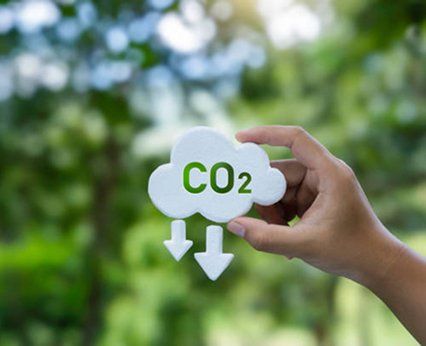
We also highlight how local activities such as tree plantation and sustainable farming can play an important role in reducing carbon emissions and improving environmental conditions.
- • Awareness sessions on climate change and carbon emissions
- • Community discussions on sustainable practices
- • Promotion of tree plantation and eco-friendly activities
- • Educating communities about carbon credits
- • Encouraging participation in environmental initiatives
Supporting Communities in Climate Action
Carbon markets provide an opportunity for communities to become part of global climate solutions. When people understand how their actions impact the environment, they are more likely to support sustainable initiatives.
Through continuous engagement and awareness, we help communities take small but meaningful steps toward reducing carbon emissions and protecting the environment for future generations.

Join us in building a resilient, eco-friendly future through collaborative action and smart technology.
Quick Links
Focus Area
Contact Detail
Sail City, Ranchi, Jharkhand.