

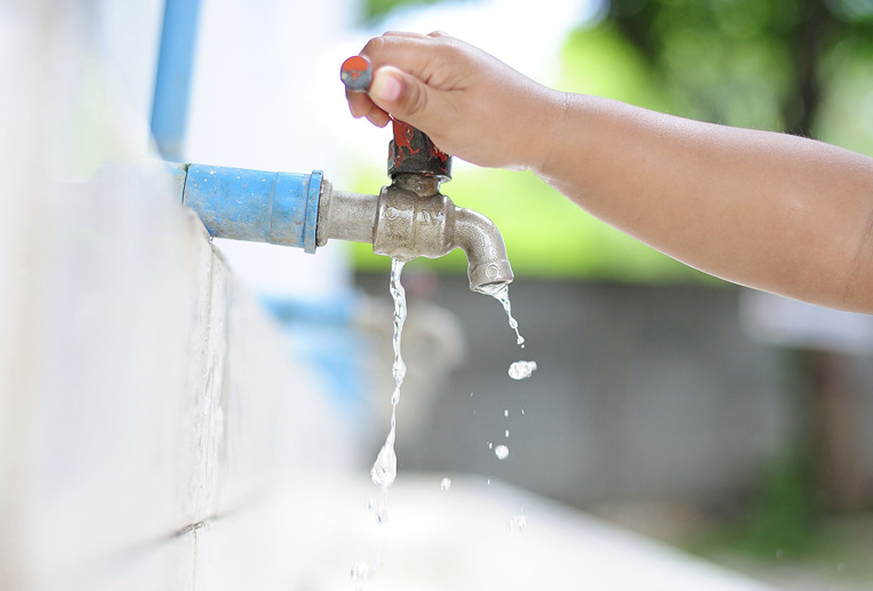
Water conservation does not always require large infrastructure projects or major investments. In fact, small daily habits can significantly reduce water waste and improve overall water efficiency. When individuals and families begin to pay attention to how they use water in their daily lives, even small changes can create a meaningful impact over time.
Many people are unaware of how much water is lost through everyday activities. Leaking taps, unnecessary washing, and inefficient irrigation methods can lead to large amounts of wasted water. For example, a single leaking tap can waste hundreds of liters of water in just a few days if it is not repaired. Similarly, leaving the tap running while brushing teeth or washing dishes can waste more water than most people realize.
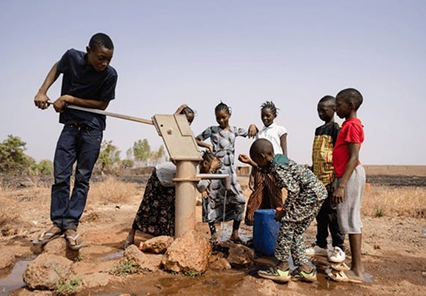
During our discussions with communities, we often encourage residents to adopt simple conservation practices that can easily become part of their daily routine. These small changes do not require special equipment or large investments, but they can make a big difference when practiced consistently.
Some effective habits include:
• Fixing leaking taps and pipes immediately
• Turning off taps when not in use
• Using buckets instead of hoses for cleaning
• Watering plants during cooler hours of the day
• Reusing household water for gardening
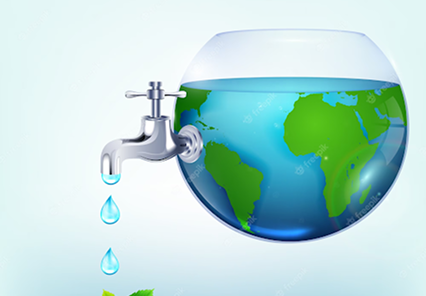
In addition to these habits, people can also take a few extra steps to reduce water waste in their homes. Installing water-efficient fixtures, using washing machines only with full loads, and collecting rainwater for gardening are simple ways to improve water efficiency. In agricultural areas, farmers can adopt modern irrigation methods such as drip irrigation or sprinkler systems that use less water while still supporting healthy crop growth.
Schools and community organizations can also play an important role in promoting water conservation. Educational programs, awareness campaigns, and community meetings help people understand the value of water and the importance of using it responsibly. When children learn about water conservation at an early age, they often carry these habits into adulthood and influence others around them.
These small actions may seem minor, but when practiced by many households, they can have a major impact on water conservation. When an entire community adopts responsible water habits, the combined effect can help protect local water resources and reduce the risk of shortages.
Raising awareness about everyday water use is one of the most important steps toward building a culture of responsible water stewardship. By encouraging simple, practical actions and promoting a shared sense of responsibility, communities can ensure that water resources remain available and sustainable for future generations.